Home Sweet Home School: A Design Review for Embroidery
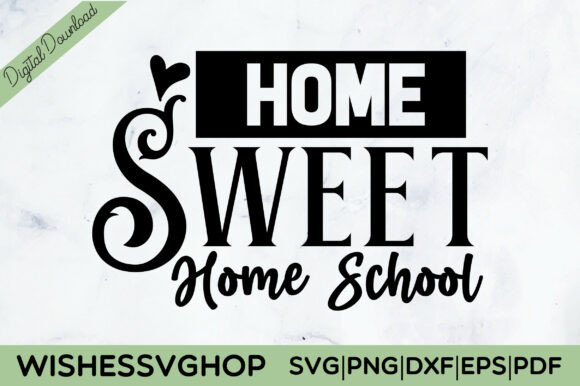
When you download a design file labeled "Home Sweet Home School," you're not just getting a graphic; you're acquiring a potential centerpiece for a project. My first impression upon seeing this concept is its inherent warmth. The phrase itself evokes a specific, cherished mood—one of cozy dedication, of learning and love intertwined within the domestic space. This isn't a generic slogan; it's a narrative snippet. As a designer, that matters. It tells me this embroidery file is destined for projects where sentiment is paramount, where the finished product is meant to communicate care and personal identity.
The Natural Habitat for This Design
In practical terms, where does this design belong? Imagine preparing a custom embroidered tote bag for a homeschooling parent. The "Home Sweet Home School" motif would be a perfect, affirming emblem. It transforms a simple bag into a personalized statement piece. Similarly, a well-placed embroidery on a cozy sweatshirt or a soft blanket creates an item that feels like a badge of honor for a family's educational journey. Baby items, like a little onesie or a nursery pillow cover, become gentle welcomes into that world. For small business owners and Etsy sellers focusing on personalized gifts, this design is a ready-made asset for holiday gifts, teacher appreciation items, or boutique family-oriented merchandise. Its visual personality is clean and direct, relying on the power of the words themselves, which suggests it will translate well into embroidery without needing overly complex detailing.
Performance in Real Stitching Scenarios
Moving from concept to needle, how does "Home Sweet Home School" perform? On sturdy, flat surfaces like tote bags, aprons, or pillow covers, it should stitch out with excellent clarity. The layout, presumably centered on the text, promises good balance. For custom apparel like t-shirts or sweatshirts, careful consideration of fabric is key. On stretchy fabrics or thin cottons, a robust stabilizer is non-negotiable to prevent puckering, especially if the design includes any satin stitch elements for the lettering. Embroidered patches made from this design would be fantastic—they're versatile, can be applied to anything from caps to backpacks, and they allow for precise, dense stitching on dedicated patch material. For kitchen towels or tea towels, it offers a charming, utilitarian decoration. In all these cases, the design's success hinges on stitch density and thread color contrast. It will look crisp on light fabrics with dark thread and vice versa, but on textured fabrics like some blankets, you might lose some fine detail in the lettering.
Where Caution is Needed
Not every project is a perfect fit. This design demands attention in several areas. First, hoop size. If the lettering is particularly small or has intricate serifs, a very small hoop on a curved surface like a cap could make those details challenging. Tiny lettering can become blurry if the stitch density isn't calibrated correctly. Dense stitch areas, if present, on layered garments like hoodies might feel overly stiff. For products destined for frequent washing—baby clothes, for instance—you need to ensure the stitch structure is secure and the thread colors are high-quality to maintain that crisp "handmade presentation" over time. Dark fabric backgrounds require thoughtful thread selection; a simple black stitch on a black shirt might lose impact. Always, always test on scrap fabric first. This isn't just a step; it's your insurance policy for client projects and commercial embroidery work.
Impact on Your Product and Your Customer
Using a design like this affects more than just the fabric. It influences visual appeal and product value immediately. A well-executed embroidery of "Home Sweet Home School" on a clean sweatshirt looks professional and intentional. That builds customer trust. For a creative entrepreneur selling finished products, it reinforces brand consistency if your shop focuses on family-centric or educational items. The giftability is high—it's a recognizable sentiment for a specific audience. This recognition drives buyer engagement. In printable mockups for your digital product listings or in photos of your actual craft fair products, the design communicates a clear, appealing idea. It feels authentic, which is what today's buyers of handmade products are seeking.
Practical Notes for the Embroidery Designer
Before you commit this design to a final project, run through a quick checklist. Test it on both light and dark scrap fabric to judge contrast. Review the stitch density in your machine embroidery software if possible; you want it to be substantial enough to look clean but not so heavy it distorts the fabric. Confirm your intended hoop size can accommodate the design comfortably, leaving a little margin. Inspect the small details in the file—are the corners of letters sharp? Will they translate into stitches well? A quick test in a black-and-white mockup can help you see the layout purely as shapes, stripping away color bias. Use the proper stabilizer for your chosen fabric; this is never a step to skip. Crucially, check the licensing terms provided with the file. The product description mentions it's an instant download with SVG files, but the specifics for commercial use are not stated here. Always confirm the license before selling finished items or using the design as a commercial embroidery asset. Your professionalism depends on it.
A Design Built for Meaningful Projects
Ultimately, "Home Sweet Home School SVG PNG" isn't a flashy, all-purpose graphic. It's a specialized tool for a specific emotional niche. Its value lies in its directness and the mood it supports. For embroidery designers and makers serving the homeschool community, creating personalized gifts, or building a craft business around family themes, this design is a ready-made, powerful asset. It asks for your technical skill to execute it well—mindful of fabric, thread, and stabilizer—but it rewards that skill with a finished product that carries genuine meaning. That’s the core of good embroidery work: merging technical execution with emotional resonance. This design provides the latter; your expertise provides the former. Together, they create something a customer will truly cherish.