A Real-World Review of a "First Day of School" Embroidery Design
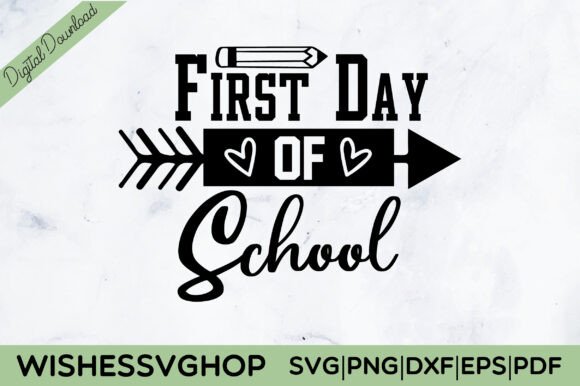
Let's talk about this First Day of School SVG PNG design from a practical, in-the-hoop perspective. As a designer who constantly evaluates digital files for real client projects and my own handmade products, I approach every new design with a simple question: How will this actually perform when it’s stitched out? It’s not about the digital preview; it’s about the finished product on fabric. This is my evaluation of this particular design for fellow crafters, apparel decorators, and small business owners looking for honest insight.
The Immediate Personality & Project Fit
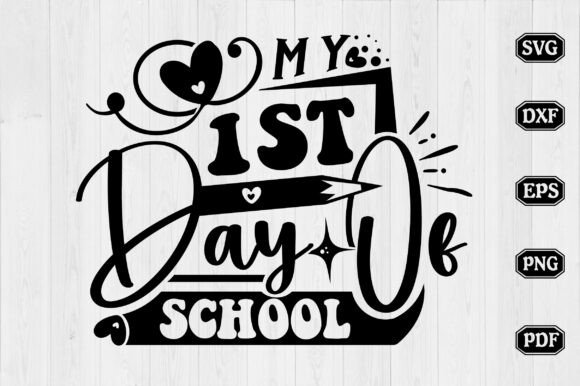
Opening this file, the first impression is one of cheerful, clean simplicity. The theme is universally understood, which is a huge advantage. The mood it creates is nostalgic and optimistic—perfect for a commemorative gift or a personalized product. The layout typically centers around the core message, with supporting elements that are often graphic and bold, not overly delicate. This visual personality tells me it belongs to projects where clarity and recognition are key. Think of a parent seeing this on a child’s backpack or a teacher spotting it on a classroom apron. It speaks directly to its audience.
Naturally, this design is a strong candidate for custom apparel like kids' sweatshirts or t-shirts, embroidered tote bags for school supplies, and baby items like bibs or blankets for that symbolic milestone. For small shop merchandise, it’s an excellent seasonal offering—easy for customers to connect with and purchase as a gift. For an Etsy seller, this kind of design can anchor a whole collection of back-to-school products, from patches to pillow covers for a child’s room.
Performance on Real Fabrics & Products
In real-life embroidery, a design like this needs to hold its shape and message clearly. On a sweatshirt, the bold elements should stitch out with good coverage, creating a durable, washable finish. On a tote bag, often made of canvas or cotton, the stitch density needs to be sufficient to withstand use without fraying. For baby clothes on softer, sometimes stretchy fabrics, the design's simplicity is a benefit—less dense stitching areas mean less stiffness on the garment.
This is also a prime candidate for creating an embroidered patch. The graphic nature translates well into a standalone appliqué or a satin stitch border patch that can be applied to anything. For home decor like pillow covers or kitchen towels (as a gift for a teacher, perhaps), it adds a handmade, personalized touch that elevates a simple item. In a boutique setting, a well-embroidered cap or apron with this design becomes a recognizable, seasonal product that builds brand consistency around thoughtful gifts.
Where This Design Requires Careful Planning
No design is universally perfect, and a practical review must highlight where attention is needed. With a theme like "First Day of School," there may be small lettering or detailed corners. On small hoop sizes, you must ensure these details remain clear and don't become a messy blob of stitches. Test it on scrap fabric first.
Textured or stretchy fabrics demand proper stabilizer to keep the shape crisp. Dark fabric backgrounds require thoughtful thread color choice—a high-contrast palette is essential for visual appeal. Embroidering on curved surfaces like caps means checking how the design's layout distorts; sometimes a more centered, compact layout is better. Also, consider products that need frequent washing; a design with too many dense fill stitch areas can become stiff and uncomfortable on apparel. Always review the stitch density in your machine embroidery software before committing to a final project.
Impact on Customer Trust & Product Value
From a business and gift-giving angle, this design’s clarity directly affects perceived value. A clean, professional stitch-out on a sweatshirt signals quality to a customer. It builds customer trust in your craftsmanship. For a personalized gift, it feels intentional and special, not generic. That enhances giftability and buyer engagement—people are more likely to purchase or commission something that clearly communicates its purpose.
For commercial embroidery projects or a craft business, using a well-executed, recognizable design like this strengthens your handmade presentation. It shows you understand the theme and can translate it into a durable, beautiful finished product. When selling finished items or using the design in printable mockups for your digital product listings, the visual appeal is paramount. A good design stitches well, photographs well, and sells well.
Essential Designer Notes Before You Hoop It
Before you run this First Day of School SVG PNG file on any project, here are my practical steps:
- Test on scrap fabric first. Use the same material you plan for the final product. This reveals issues with thread tension, density, and small details.
- Check thread color contrast for both light and dark fabric backgrounds. Sometimes a design preview looks great in white, but needs a different color plan for navy or black.
- Review the design in your embroidery software. Look at the stitch path, especially any tiny elements. Confirm it fits your intended hoop size without needing excessive scaling.
- Consider the fabric texture. A smooth cotton versus a nubby towel will affect the final look of satin stitches or fill stitches.
- Always use proper stabilizer. This is non-negotiable for professional results, especially on apparel or stretchy materials.
- Clarify the licensing. The product description indicates this is a digital file for download. It is crucial to confirm the license terms before selling any finished physical items or using the design for commercial embroidery projects. The description does not specify these terms, so you must check this yourself.
Remember, the value of a machine embroidery design file is realized in the stitch-out. This "First Day of School" design has the foundational qualities—a strong theme and likely a clear graphic structure—that make it a versatile asset for craft businesses, Etsy sellers, and hobbyists creating heartfelt gifts. Approach it with practical preparation, and it can become a reliable part of your seasonal project rotation, adding genuine recognition and value to your handmade products.