Evaluating a Teacher SVG for Professional Embroidery Projects
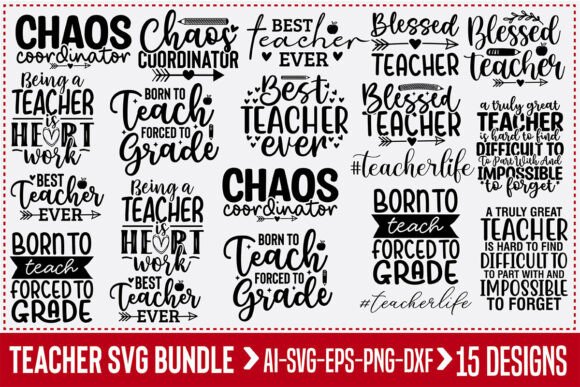
When you’re an embroidery designer looking at a new digital file like this Teacher SVG, your first thought isn’t just about the file itself. It’s about what happens when it leaves the screen and becomes stitches on fabric. You’re picturing the finished product in a client’s hands, on a boutique shelf, or as a heartfelt gift. So, let’s put aside the basic description and talk about what this Teacher Shirt SVG actually brings to a real embroidery project.
The Immediate Mood and Visual Personality
Opening this design, you get a sense of its intended spirit. The theme is clear and universally warm—celebrating educators. The layout and details, whatever their specific form, will dictate the final mood. Is it playful and illustrative, perfect for a child’s tote bag? Or is it more elegant and typographic, suited for a teacher’s own sophisticated sweatshirt? This initial impression is crucial because it tells you what kind of embroidery project it naturally belongs to. A design that feels cheerful and graphic might be ideal for baby clothes or a colorful apron, while a cleaner, text-based design could shine on a custom embroidered patch or a professional-looking cap.
A Real Scenario: Crafting a Custom Teacher’s Gift Tote
Imagine you’re preparing for the end of the school year and a client requests a personalized tote bag for a favorite teacher. You pull up this Teacher Life SVG and start planning. Your mind goes straight to the practical: How will the details translate into stitches on a canvas bag? Will the lettering, if present, be clear and readable after stitching? Does the design have elements that might become overly dense with fill stitch, making the tote stiff? The visual personality of this design will directly affect the gift’s perceived value. A well-executed, clean embroidery from a good file feels professional and thoughtful, building instant customer trust in your handmade presentation.
Performance Across Real-Life Embroidery Situations
This is where your designer’s eye really works. Let’s walk through how this Teacher SVG would perform on various surfaces.
For custom apparel like t-shirts and sweatshirts, the stitch density and detail level are paramount. On a stretchy cotton tee, a design with too many small, intricate details might pucker or lose clarity. On a stable sweatshirt fleece, it could look fantastic. For tote bags and aprons, which are often made from heavier fabrics, the design can usually carry more detail without issue, enhancing that handmade product appeal.
Consider more specialized applications. If you’re thinking of creating a embroidered patch, the design needs distinct, enclosed areas that can be neatly satin-stitched. For baby embroidery on a blanket or nursery decor, you’d want soft, rounded shapes without sharp corners that could be scratchy. On a curved surface like a cap, the design’s width and height become critical—will it fit comfortably within the limited, curved hoop area?
The design also lives beyond the physical stitch. As a digital product seller, you might use it in printable mockups for your Etsy listings or as part of your own craft business branding. Here, its clarity as a graphic asset matters just as much.
Where This Design Demands Extra Care
No file is universally perfect, and an experienced reviewer knows to flag potential pitfalls. With a teacher-themed design, you often encounter small lettering or decorative accents like apples, books, or pencils.
- Small hoop sizes: If the design has fine details, a very small hoop might not capture them accurately, leading to blurry stitches.
- Textured or thin fabrics: Embroidering on a linen tea towel or a thin polyester blend requires careful stabilizer choice to prevent the design from distorting.
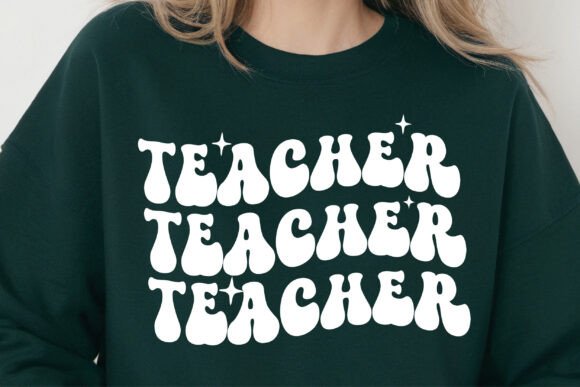
- Dark fabric backgrounds: This is a classic consideration. You need to plan thread color contrast thoughtfully. Light thread on dark fabric can make the design pop, but you must check that all details remain visible.
- Products needing frequent washing: A gift like a kitchen towel or a child’s shirt will be washed often. Designs with very dense stitch areas or long, thin satin stitch borders might be less durable over time compared to simpler, robust outlines.
Thinking through these points before hooping the fabric saves time, materials, and client disappointment.
The Impact on Value, Engagement, and Your Business
When you choose an embroidery file for a project, you’re also choosing the final emotion it conveys. A well-stitched teacher design on a premium sweatshirt elevates the product from a simple craft to a valued personalized gift. It enhances brand consistency for a small shop specializing in educator gifts. For an Etsy seller, a clean, professional-looking embroidered item using a clear design leads to better photos, more positive reviews, and higher buyer engagement.
The visual appeal after stitching is everything. Does the design have open spaces that allow the fabric to show through, creating a nice balance? Or is it a more solid graphic that will become a bold statement piece? This affects stitching clarity and ultimately, how recognizable and “giftable” the finished product feels. A design that stitches out cleanly looks professional, which in turn makes your entire operation look more professional.
Practical Designer Notes Before You Stitch
Here’s the checklist I run through in my own workshop before committing a design to a final project:
- Always test the design on scrap fabric first. Use the same material and stabilizer you intend for the final product.
- Check thread color contrast by viewing the design in both black and white mockups. How will it look on light vs. dark backgrounds?
- Review stitch density in your embroidery software preview. Are there areas that might be too thick or too thin?
- Confirm hoop size compatibility. Does the design fit comfortably in the hoop size your project requires, or does it need resizing?
- Inspect small details like tiny lettering or intricate corners. Will your machine and chosen thread weight handle them cleanly?
- Use the proper stabilizer for your specific fabric—this is non-negotiable for quality results.
- Critically, check the licensing provided with the file. Is it clear that you can use it for commercial embroidery projects and sell the finished items? Never assume.
The product description mentions it's perfect for apparel and any craft projects, which is a good starting point. However, as a professional, you need to verify the specifics yourself—the exact file formats included and the license terms—before selling any finished product or using it as a commercial design asset. This diligence protects your business and your clients.
The Final Take: A Versatile Graphic for Meaningful Projects
From a practical design judgment standpoint, a Teacher Shirt SVG like this holds inherent value because its theme resonates deeply. It’s not just a graphic; it’s a conduit for appreciation. When embroidered well on the right product—a sturdy tote for carrying books, a cozy hoodie for the teacher themselves, or a sweet pillow cover for a classroom gift—it transforms into a tangible token of respect.
Its success in your embroidery project will hinge on your thoughtful application of the notes above. Match the design’s personality to the product’s purpose. Prepare for its technical demands on different fabrics. And always stitch with the end-user in mind. When you do that, this simple Teacher SVG becomes far more than a digital file in the Crafts and Graphics category. It becomes the heart of a well-made, cherished item.