Evaluating a Dance Teacher Design for Real Embroidery Projects
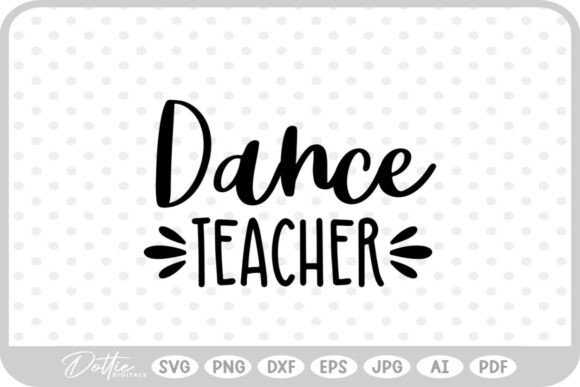
As a designer who regularly turns digital files into stitched products, my first question is always: how will this actually look when the needle hits the fabric? When considering the Dance Teacher SVG PNG DXF for a real project, that practical lens is everything. This isn’t about the file on the screen; it’s about the embroidered object in someone’s hands.
The Immediate Mood and Visual Personality
Right away, this design evokes a specific, joyful mood. The theme is clear and celebratory, which is a great starting point for any personalized gift or custom apparel. The layout feels balanced, and the detail level suggests it’s meant to be a focal point rather than a tiny accent. For me, it naturally belongs on items meant to be seen and appreciated—think a special tote bag for a beloved instructor, or a sweatshirt for a proud dance student. The visual personality is friendly and professional, which builds customer trust and enhances the perceived value of a handmade product.
A Natural Fit for Real-World Embroidery
Let’s walk through a real scenario. I’m preparing a custom embroidered canvas tote bag as a holiday gift for a dance studio owner. Using the Dance Teacher embroidery file, I’m thinking through the stitching process. On a sturdy fabric like canvas, the design’s shapes should hold up well, provided I use the proper stabilizer. The potential for clean satin stitch borders and distinct fill stitch areas looks good for readability. This would also work beautifully on a pillow cover for a dancer’s nursery decor, or as a simplified embroidered patch on a baseball cap.
For small business merchandise, such as items for an Etsy shop or craft fair, this design adds a layer of professionalism. It feels complete and intentional, which helps with brand consistency for a boutique focused on teacher or student gifts. As an apparel decorator, I see it working well on the left chest of a sweatshirt or the front of an apron—places where its celebratory theme can shine.
Where You Should Proceed with Care
Not every design is universal, and practical judgment means noting limitations. With any design like this, tiny lettering or extremely detailed corners can be challenging. If you’re working on a small hoop size, you need to ensure the scale doesn’t compress important elements into a muddle of stitches. Textured fabrics or stretchy fabric like thin t-shirts may require extra stabilizer and a review of stitch density to prevent puckering.
On dark fabric, thread color contrast becomes critical—you might need to test a bright white or a light pastel fill to keep the design vibrant. Embroidering on curved surfaces like caps demands a simplified, robust version of the file; intricate details might not translate well. And for products that need frequent washing, like baby clothes or kitchen towels, a denser stitch fill could be less durable than a cleaner outline approach. Always check the specifics of your machine embroidery design before committing to these applications.
How This Design Translates to Product Appeal and Value
The ultimate test is in the finished product. A well-embroidered version of the Dance Teacher design elevates the item. It turns a plain sweatshirt into a meaningful, personalized gift. It increases buyer engagement in an Etsy listing because the preview looks professional and clear. For a craft business, using a clean, recognizable design like this boosts the handmade presentation—it looks deliberate and skilled, not haphazard.
The stitching clarity directly affects visual appeal. If the elements stitch out with good separation and clean edges, the product feels premium. This is especially important for commercial embroidery projects where you’re delivering to a client or selling at scale. A crisp result builds recognition and reinforces your professionalism as a maker.
Practical Notes from the Embroidery Worktable
Before you load the final fabric, here’s my standard advice. Always test the design on scrap fabric first. Use the same material and stabilizer you plan for the final project. This reveals any issues with stitch density or thread tension. Check thread color contrast by running a small section on both light and dark scraps. Review small details closely; sometimes a decorative accent in the digital file becomes a fragile, thread-heavy spot when stitched.
It’s also wise to test it in black and white mockups to see the pure shape without color influence. Confirm your hoop size can accommodate the design at the scale you want. And a crucial step for any digital embroidery file: confirm licensing before selling finished items or digital products. The product description notes this is a digital file for your crafting journey, but you must verify the terms for commercial use if you’re an Etsy seller or small shop product creator. This protects your business and respects the designer.
Finally, consider the broader use. This type of crafts and graphics product can serve as a design asset for printable mockups to showcase your work, or as the core of a physical embroidery project. By approaching it with this practical, real-world mindset, you ensure the journey from file download to finished product is as smooth and successful as possible.