The Ausome Teacher SVG: A Designer's Review for Embroidery
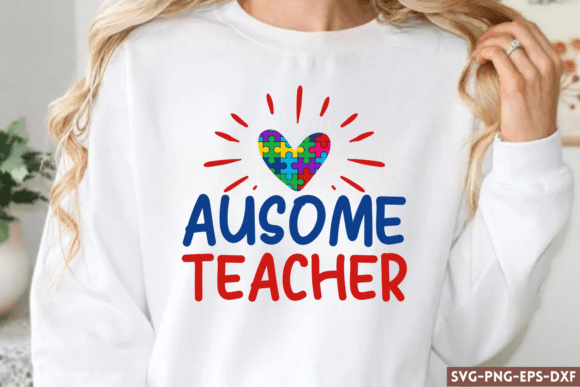
When you’re evaluating a design file for real embroidery work—for a client’s gift, your shop’s inventory, or a craft fair product—the first glance is everything. With the Ausome Teacher SVG, the immediate impression is one of warmth and positive recognition. The playful, stylized word “Ausome” alongside “Teacher” and Autism awareness elements creates a visual personality that is celebratory and supportive. It’s not a generic graphic; it feels designed with intention. The layout and shape suggest it belongs squarely in the realm of heartfelt, personalized products.
Where This Design Finds Its True Home
In my practice, I think about where a design will look best after it’s been stitched. For the Ausome Teacher SVG, my mind goes immediately to custom apparel and gifts with a personal touch. Imagine preparing a custom embroidered tote bag for a special educator, or a cozy sweatshirt for a parent. This design translates beautifully into those applications. The theme is perfect for baby items celebrating an Ausome little one, or a heartfelt patch sewn onto a backpack. It would also shine on a pillow cover in a supportive home, or a kitchen towel as a daily reminder of appreciation. For boutique products or small shop merchandise, especially around teacher appreciation times or autism awareness events, this SVG offers a ready-made concept that resonates.
Navigating Real Embroidery Situations
So, how does the Ausome Teacher SVG perform when it moves from digital file to physical thread? For most real-life embroidery projects—like t-shirts, caps, aprons, or blankets—the design’s clarity is key. The potential for clean satin stitches on the lettering and thoughtful fill stitches in any decorative elements means it can elevate a simple garment. On a tote bag, it becomes a statement. On baby clothes, it’s a tender accent. For holiday or wedding gifts aimed at a teacher or advocate, the embroidered result feels professional and meaningful, boosting the product’s perceived value and giftability.
However, as with any machine embroidery design, there are places to use it carefully. On very small hoop sizes, the details might become too dense. On textured or stretchy fabrics like certain knit sweatshirts, proper stabilizer is non-negotiable to maintain crispness. Embroidering on dark fabric requires careful thread color contrast planning. And on curved surfaces like caps, the layout needs to be positioned thoughtfully to avoid distortion in any tiny lettering or corners. These are not flaws of the design itself, but simply the practical realities every embroidery designer navigates.
The Impact on Your Craft Business and Customers
Using a design like this in your work affects more than just the stitch quality. It influences visual appeal, customer trust, and your brand’s consistency. When a customer sees this design neatly embroidered on a handmade product, it speaks to professionalism. It shows you’ve chosen a design with positive recognition and a clear message, which builds engagement. For an Etsy seller or creative entrepreneur, it’s a commercial embroidery asset that can be turned into a range of products—from embroidered patches to custom apparel—that feel cohesive and thoughtfully curated.
A Practical Scenario: The Custom Teacher Tote
Let’s walk through a real case. I’m preparing a custom embroidered tote bag order for a client who wants to gift their child’s teacher. I select the Ausome Teacher SVG. My first step is always to test the embroidery file on scrap fabric of similar weight and texture. I check thread color contrast, reviewing how the stitches lay. I inspect the small details in the design to ensure they’ll be clear at the intended hoop size. I might even test a black and white mockup to see how it reads without color. This process confirms stitch density and helps me decide on the perfect stabilizer. The goal is a finished product that looks clean, lasts through use, and perfectly communicates the client’s sentiment.
Essential Designer Notes Before You Stitch
Before you run this design for a personal or commercial project, here are my practical, always-relevant notes:
- Test first on scrap fabric. This is non-negotiable for any embroidery project.
- Check thread color contrast against your final fabric background—light or dark.
- Review the design’s detail level for your chosen hoop size. Will small elements remain clear?
- Use the proper stabilizer for your fabric type, especially for stretchy or thin materials.
- Consider how the design will look on the final product shape—flat like a pillow, curved like a cap.
- Always confirm the licensing terms of the digital embroidery file before selling finished items or digital products. This is crucial for craft businesses and digital product sellers.
- For commercial embroidery, ensure the design’s scale works for your product range, from baby embroidery to adult apparel.
The Ausome Teacher SVG, as a graphics file in the crafts category, has a natural place in the world of handmade products. Its mood is uplifting, and its application is versatile. When embroidered with care, it becomes a product that holds meaning—a boost for your customer’s trust in your work and a confident choice for your next embroidery project.