One Lucky Teacher: A Designer's Perspective on a Popular Embroidery Design
As a designer who has been embroidering everything from boutique baby bibs to corporate logos for over a decade, I have a particular way of looking at digital files. It’s not just about whether they look nice on the screen. It’s about how they will feel under a needle, how they will sit on a fabric, and ultimately, how they will resonate with a person holding the finished product. Today, I’m evaluating the popular ‘One Lucky Teacher’ design from that exact standpoint, imagining it stitched out onto real items for clients, gifts, and shop merchandise.
The First Impression: Warm, Balanced, and Clearly Personal
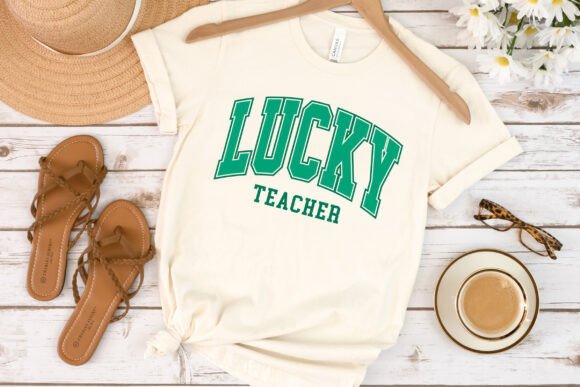
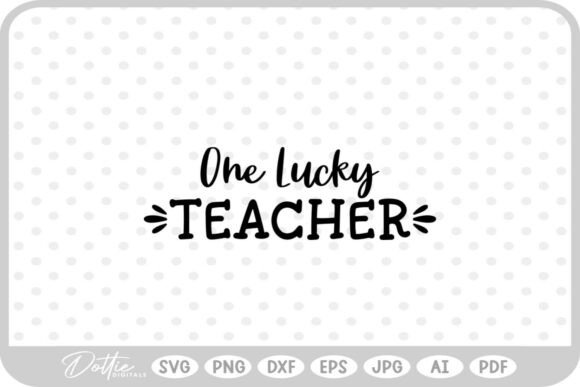
Opening the ‘One Lucky Teacher’ file, the mood is immediately warm and celebratory. The layout feels balanced—the central phrase has a personality that’s cheerful without being overly whimsical, which is a crucial distinction. This isn’t a cartoon; it’s a statement. The visual personality leans towards classic appreciation, making it feel timeless rather than trendy. For embroidery, this is a strong starting point. It tells me this design belongs on gifts meant to convey genuine gratitude, on products for educators, or on personalized items for a teacher’s own use. It naturally fits onto things like tote bags, apron pockets, or the front of a cozy sweatshirt—places where the sentiment can be read clearly and feel part of the item’s purpose.
Where It Stitches Up Perfectly: Real-World Project Fit
Let’s walk through a real scenario. I’m preparing a custom order for a client who wants a set of embroidered canvas tote bags as end-of-year gifts for a school team. ‘One Lucky Teacher’ comes to mind immediately. On a sturdy canvas, the design’s clean lines will translate well into satin stitch for the lettering, with any decorative elements holding their shape without puffing up the fabric too much. The emotional fit is perfect; it’s a direct, heartfelt message that elevates a simple tote into a keepsake.
Beyond totes, this embroidery file has a broad application spectrum. It would be lovely stitched onto the sleeve of a knit sweatshirt, becoming a personal piece of apparel. For a baby item, like a small blanket for a teacher’s new child, it adds a sweet, personal touch. As a patch, it could be ironed onto a backpack or a laptop sleeve. For small business owners, especially Etsy sellers focusing on teacher gifts or school-themed merchandise, this design is a ready-made asset for creating pillow covers, kitchen towels, or framed hoop art. The clarity of the design means it would also work well in printable mockups for digital product previews, helping sellers market their finished goods effectively.
Visual Appeal and Professional Polish in Finished Products
When a design stitches out cleanly, it directly impacts product value and customer trust. ‘One Lucky Teacher’, with its likely balanced layout, should result in strong stitching clarity. This means the letters won’t blur into each other, and the edges will be sharp. For a handmade presentation, that professionalism is key. It tells the buyer that the crafter cared about the details. This consistency boosts brand perception for a small shop and makes the item instantly more giftable. The recognition factor is high—it’s a universally understood sentiment—which increases buyer engagement. People see it and immediately understand the product’s purpose.
Considerations for Successful Embroidery Application
Even with a clean file, successful embroidery depends on thoughtful application. For ‘One Lucky Teacher’, I would be cautious on very small hoop sizes. If the design has any small decorative accents or tight corners, they might need simplification to avoid thread buildup. Textured fabrics, like certain sweaters, could obscure the message, so a smooth, tight-weave cotton or a good stabilizer on apparel would be better. Stretchy fabric requires extra care with stabilizer to prevent distortion.
On dark fabrics, thread color contrast becomes paramount. A test on scrap fabric is essential to see if a white or bright top thread pops sufficiently or if a lighter underlay stitch is needed. For curved surfaces like caps, the design’s length and height matter—a very wide layout might not fit comfortably on a cap front. And for products destined for frequent washing, like aprons or tea towels, checking the stitch density is wise; overly dense areas can make fabric stiff and less durable over time.
Practical Notes from the Embroidery Machine
Before running this to my machine for a client’s order, my process would involve several checks. First, a test stitch on scrap fabric identical to the final product material is non-negotiable. This reveals how the thread colors interact with the background and whether any small details, like tiny stars or hearts if present, stitch out clearly. I would review the stitch density in the file preview and confirm the required hoop size to ensure my physical hoop can accommodate it.
I always test the design in black and white mockups on my software to check for purely structural issues, independent of color. Comparing how it looks on a light versus dark fabric background in a digital preview helps plan my thread palette. Using proper stabilizer for the chosen fabric is a basic step, but one that makes or breaks clarity. Finally, and this is crucial for commercial use, I confirm the licensing terms of the digital file before selling any finished items. The product description states it’s a digital file for crafting, but I need to know if my use for embroidered tote bags sold in my small shop is permitted under the license.
The Final Verdict: A Versatile Asset for Meaningful Projects
‘One Lucky Teacher’ strikes me as a versatile graphics asset for embroidery designers and craft business owners. Its mood and layout make it a natural fit for projects where personalization and sentiment are the core value. From a practical standpoint, its likely clean construction suggests it will perform reliably across common embroidery applications like custom apparel, gifts, and boutique merchandise, provided standard best practices are followed. It’s a design that, when stitched with care, will enhance visual appeal, support a professional handmade presentation, and ultimately, make both the crafter and the recipient feel that the message—and the product—is indeed special.