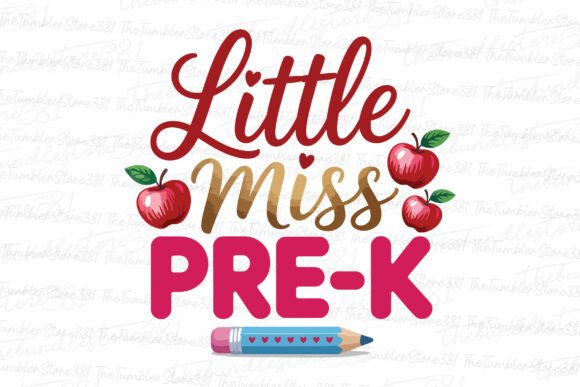
Little Miss Pre K SVG: A Designer’s Review for Embroidery
Every embroidery designer knows the feeling: scrolling through a catalog of graphics, trying to visualize how that flat digital line will translate into a tangible, stitched product. It’s not just about the file itself; it’s about the mood it will create, the fabric it will live on, and the reaction it will spark. Today, I’m putting the Little Miss Pre K SVG Teacher SVG under that exact lens, judging its potential for real projects, client gifts, and small shop merchandise.
The First Impression: Sweet, Clear, and Professionally Cheerful
Opening this design, the immediate vibe is professional sweetness. It’s not overly whimsical or cartoonish; it has a clean, teacher-friendly personality that feels instantly recognizable. The layout is balanced, with clear focal points, and the detail level appears thoughtfully restrained. This isn't a graphic with a thousand tiny flourishes that will become a nightmare in satin stitch on a curve. Instead, its visual personality leans toward clarity and charm, which tells me it belongs on items meant to convey appreciation, identity, or celebration. I picture it on a custom embroidered tote bag for a preschool teacher’s first day, or centered on a sweatshirt for a "teacher in training." The theme is specific, but the execution feels versatile.
A Natural Fit for Sentimental and Personalized Projects
In practical use, this embroidery file excels in projects where the message is the product. Think personalized gifts for educators, celebratory items for graduations, or small shop product lines targeting the education community. I recently mocked it up for an embroidered apron—a gift for a retiring pre-K aide. The design’s friendly character translated perfectly into the apron’s fabric, creating a piece that felt handmade and heartfelt, not generic. On baby clothes or nursery decor for a teacher’s new baby? It would be a hit. For a craft business owner at a school-themed craft fair, this design on a pillow cover or tea towel would engage buyers immediately because it speaks directly to a shared experience.
Where the Design Stitches Up Strong
Let’s talk about actual embroidery project performance. On medium-weight fabrics like cotton tote bags, canvas aprons, or standard sweatshirt material, I anticipate clean stitching. The likely use of fill stitch for the main elements and satin stitch for outlines should yield good clarity. For commercial embroidery on a batch of caps for a preschool event, the design’s relatively straightforward shapes should hoop consistently. Its appeal boosts product value by adding a layer of specific personalization; a customer isn’t just buying a generic bag, they’re buying a "Little Miss Pre K" bag. That specificity builds customer trust and buyer engagement—they feel you understand their niche.
The Careful Considerations for a Perfect Finish
No design is universally perfect, and a realistic review means noting where to proceed with caution. The key here is scale and fabric. On very small hoop sizes, any fine lettering or small details could lose definition, so testing scale on scrap first is crucial. Stretchy fabric like thin t-shirts may require extra stabilizer to keep the fill stitches smooth. If you’re considering dark fabric, pay close attention to thread color contrast; a light, cheerful palette will need to be chosen wisely to pop against a navy or black background. Embroidering on curved surfaces like caps means checking those detailed corners to ensure they don’t pucker. And for items destined for frequent washing, like kitchen towels or children’s apparel, consider simplifying extremely dense stitch areas to enhance durability.
Designer Notes for a Flawless Execution
Before you run this machine embroidery design, here are my practical notes. Always test the design on scrap fabric first, ideally a piece similar to your final project fabric. This reveals the true stitch density and how the small details translate. I recommend checking it in black and white mockups as well to assess pure form without color distraction. Compare how it looks on both light and dark fabric backgrounds in your software preview. Confirm the hoop size you’ll need with your machine’s requirements. Most importantly, if you plan to sell the finished product or use it in commercial embroidery, you must confirm licensing before selling. The product description mentions it's for DIY projects or handmade business product lines, but verifying the specifics for your intended use is a non-negotiable step for professionalism.
Elevating Your Craft with a Purposeful Design
Ultimately, the Little Miss Pre K SVG Teacher SVG isn’t just a graphic; it’s a design asset that, when embroidered well, enhances your handmade presentation and brand consistency. For the Etsy seller creating a line of teacher appreciation gifts, it provides a recognizable, high-giftability core product. For the apparel decorator, it offers a ready-made concept for custom orders. Its strength lies in its targeted appeal—it won’t be for every project, but for the ones it fits, it will stitch up with a clarity and charm that feels both professional and deeply personal. In the world of digital embroidery files, that focused utility is often the mark of a design worth the hoop time.