In My Teacher Era: A Design Review for Embroidery Projects
Whenever a design lands in my software, I approach it as a practitioner first. I’m not just looking at the lines on screen; I’m visualizing the thread, the fabric, and the finished product a client or customer will hold. Today, I’m sizing up In My Teacher Era Svg Teacher Svg from that exact perspective, imagining how it translates from a graphic file into a real, stitched project.
The First Impression: Playful, Personal, and Perfectly Posed
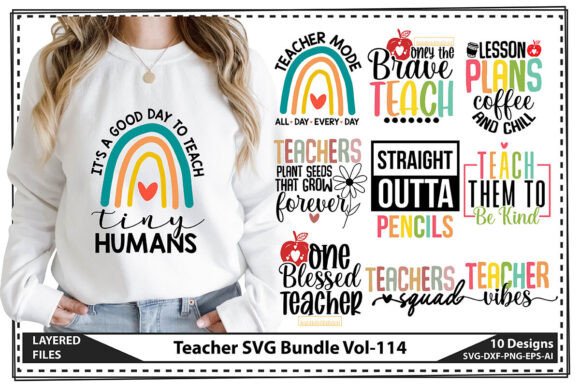
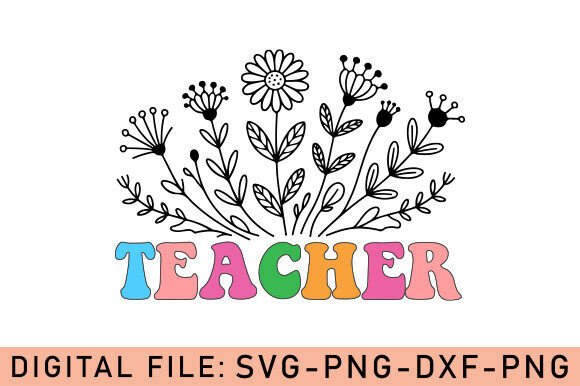
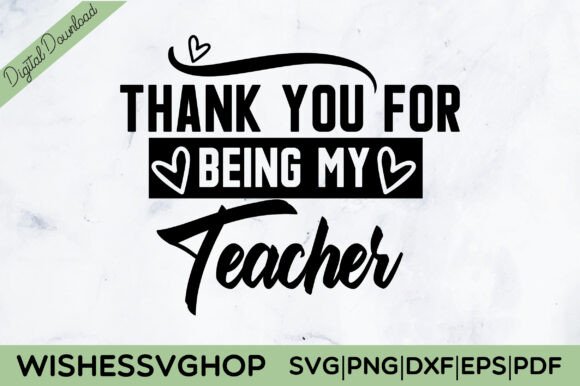
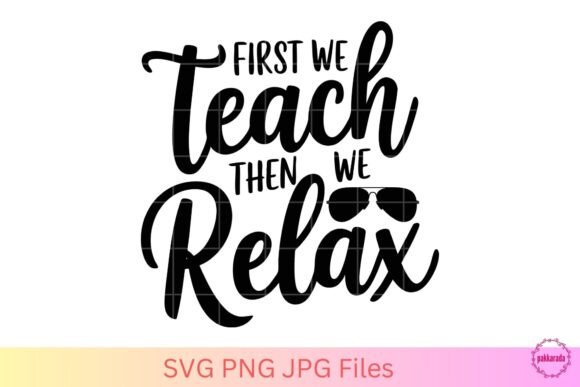
The mood here is immediately cheerful and slightly nostalgic, with a modern, personalized twist on the classic teacher appreciation theme. The layout and typography suggest a design that wants to be seen—it’s not overly delicate or hidden. It has a visual personality that feels ready for a standout placement, like the center of a tote bag or the front of a sweatshirt. For embroidery, this is promising; it signals clear, readable elements that can hold their own after stitching.
Where This Design Naturally Belongs
In my mind, this isn’t a design for subtle corner accents. It’s a statement piece. I’m already picturing it on a durable canvas tote bag for a teacher’s daily commute, or embroidered on a soft, high-quality sweatshirt for a ‘teacher appreciation week’ gift. It would also shine as a personalized patch, perhaps sewn onto a denim jacket or a backpack. The theme lends itself perfectly to holiday gifts, boutique teacher merchandise, or even nursery decor if we’re thinking of a preschool educator’s special blanket. The category is Crafts, and the type is Graphics, but in the hands of an embroidery designer, its true home is on fabric.
Performance in Real-Life Embroidery Situations
Let’s walk through a typical scenario: I receive a request from a client to create a custom embroidered pillow cover as a end-of-year gift for a favorite teacher. I load In My Teacher Era Svg Teacher Svg and start planning.
On apparel like t-shirts or baby clothes (think a gift for a teacher’s new baby), I’d consider fabric weight and stretch carefully. The design’s potential density in filled areas would require a good stabilizer to prevent puckering on thinner fabrics. For caps or curved surfaces, I’d assess the lettering and layout to ensure it adapts well to the smaller, curved hoop area without losing clarity.
As a small business owner creating products for an Etsy shop or craft fair, this design offers strong visual appeal. It’s recognizable and taps into a specific, appreciative audience. Stitched cleanly on a tea towel, apron, or kitchen towel, it elevates a simple item into a thoughtful, handmade product. That stitching clarity directly impacts perceived value and customer trust—a sloppy embroidery file can ruin a good concept, but a well-structured design like this, executed properly, enhances professionalism and buyer engagement.
Where to Use with Care: Practical Designer Notes
No design is universally perfect, and practical judgment is key. Here are my notes for using this embroidery file effectively.
- Small Hoop Sizes & Detailed Corners: If the design includes particularly fine details or tiny lettering within the phrase, test it at your intended hoop size on scrap fabric first. Some svg files need slight adjustments for stitch integrity.
- Textured or Dark Fabrics: On heavily textured fabrics like some sweatshirt materials, or on dark fabric backgrounds, thread color contrast is paramount. I’d run a test in a black and white mockup to see how the elements read, then choose high-contrast or bright thread colors to ensure it pops.
- Stitch Density & Product Durability: For items that need frequent washing, like apparel or tote bags, assess the potential stitch density. Dense, solid fill stitch areas can be less flexible and more prone to wear. Consider using a mix of satin stitch and lighter fill stitches if the design allows, or ensure you’re using a robust stabilizer.
- Commercial Use & Licensing: This is critical for digital product sellers and creative entrepreneurs. Before selling finished items or using the design in commercial embroidery projects, confirm the licensing terms of the file. The product description mentions DIY projects and handmade business product lines, but always verify the specifics for your intended commercial use.
Affecting the Final Product
How does In My Teacher Era Svg Teacher Svg affect the final embroidered product? When executed well, it boosts giftability and recognition. A teacher receiving a custom embroidered item with this design instantly understands the sentiment. For a handmade shop, it supports brand consistency if you specialize in educator-themed products. The design’s clean, thematic nature helps in creating professional-looking printable mockups for your digital store, which in turn drives sales.
The Embroidery Designer’s Checklist Before Hooping
Before I commit this design to a client’s project or my own small shop merchandise, my mental checklist is straightforward.
- Test on Scrap: Always. Use a similar fabric and stabilizer to your final product.
- Check Color Plans: Review the design for areas that might need different thread colors for optimal contrast and appeal.
- Inspect Small Details: Look closely at any decorative accents or corners in the graphic. Will they translate into clean running stitches or become muddled?
- Confirm Hoop Compatibility: Ensure the design size fits your intended hoop and project scale—a large design on a baby bib might be overwhelming.
- Consider Fabric Pairing: Match the design to a suitable fabric. It might be perfect for a sturdy pillow cover but less ideal for a thin, stretchy t-shirt without proper adjustments.
Approaching In My Teacher Era Svg Teacher Svg with this practical, project-focused mindset turns a digital graphic into a reliable design asset. It moves from being just a file in your library to being the confident centerpiece of a successful, stitched, and much-appreciated finished product.