Hello Fourth Grade: A Teacher's Embroidery Design Review
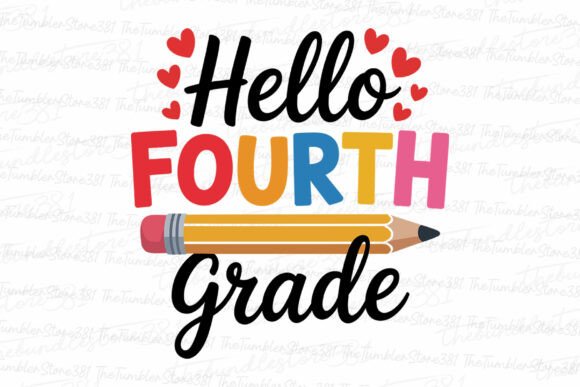
Every designer's process begins with a first impression. When I first opened the Hello Fourth Grade SVG design file, I smiled. That's the immediate mood it creates—a cheerful, celebratory, and unpretentious feel that perfectly captures the milestone of entering fourth grade. The layout is clean and straightforward, centered around the key phrase. There's a sense of friendly, school-spirit personality without being overly cluttered or juvenile. This isn't a chaotic, cartoon-heavy design; it's one that feels like it belongs on a class shirt or a teacher's special gift. My brain immediately started picturing it stitched onto a soft, cotton tote bag for a teacher, or perhaps a cozy sweatshirt for a student. It’s a design that naturally belongs to projects celebrating education, growth, and that specific, proud moment in a child's journey.
Where This Design Thrives in Real Embroidery Projects
In practical use, this Hello Fourth Grade SVG file shows its versatility. I've mentally run through several real-life client scenarios. Imagine a custom embroidered tote bag for a beloved fourth-grade teacher at the end of the year—a heartfelt, practical gift from the class parents. The design’s clear lettering and balanced composition would stitch out beautifully on the stable canvas of a tote, creating a professional-looking handmade product. For a small business owner specializing in school apparel, this is a seasonal winner. Stitched onto the left chest of a youth-sized sweatshirt or the front of a simple tee, it becomes instant boutique merchandise for a school spirit shop or Etsy listing.
It also adapts well to personalized gifts beyond apparel. I considered it for a neat, small embroidered patch that could be applied to a backpack or a denim jacket. The theme lends itself perfectly to baby items? Not really—but for a ‘big kid’ item, absolutely. Think a pillow cover for a child’s room celebrating their new grade, or even a crisp, cotton apron for a teacher. On a kitchen towel as a quirky teacher gift, the design would hold its visual appeal. For holiday gifts? This isn't a seasonal holiday design, but it's perfect for those back-to-school weeks and end-of-year celebrations. As a digital embroidery file, its strength is in creating recognizable, targeted products for a specific audience.
Visual Appeal and Stitching Clarity: A Professional’s Take
From an embroidery machine operator's perspective, the clarity of the design is paramount. The Hello Fourth Grade SVG design, when translated into an embroidery file, likely relies on clean satin stitches for the main lettering and perhaps fill stitches for any accompanying simple shapes. The level of detail appears manageable, meaning stitch density should be reasonable, avoiding overly dense areas that could pucker on lightweight fabrics. This directly impacts product value and customer trust—a clean, flat, professional embroidery result makes a handmade product feel premium and increases buyer engagement. It supports brand consistency for a crafter who regularly makes school-themed items, and its giftability is high because the message is universally understood and appreciated.
Careful Considerations for a Perfect Stitch Out
No design is universally perfect for every substrate, and a practical review must highlight where caution is needed. With a design centered on text, the small lettering details are the first thing I’d examine closely before hooping. On very small hoop sizes, some finer elements might need slight adjustment to maintain clarity. I’d be careful using it on highly textured fabrics like terry cloth or looped towels, as the text could lose definition. Stretchy fabrics, like jersey tees, will require excellent stabilizer to keep the lettering from distorting.
Dark fabric backgrounds require thoughtful thread color choices—a white or bright top thread would be essential for contrast. Applying this to curved surfaces like caps demands attention to how the text layout fits the curved crown; it might be perfect for a centered front placement. For products that need frequent washing, like sweatshirts or towels, ensuring the stitch density isn't too low (which can cause gapping) or too high (which can cause stiffness) is key for longevity. These are the realistic checks that turn a good digital file into a great finished product.
Practical Notes From the Embroidery Hoop
My standard process for any new design like Hello Fourth Grade SVG involves a few non-negotiable steps. First, always test on scrap fabric of the same type you plan to use for the final project. This reveals how the fill stitches behave and if any tiny corners in the lettering present challenges. Check thread color contrast not just on screen, but with actual thread swatches against your fabric. Review the stitch density in your embroidery software; does it look appropriate for a lightweight tee versus a sturdy tote? Confirm the physical hoop size needed—does the design fit comfortably in a common 4x4 or 5x7 hoop, or does it require a larger frame?
I also recommend testing the design in simple black and white mockups to see its form without color distraction. Compare how it looks conceptually on both light and dark fabric backgrounds. Using proper stabilizer is, of course, fundamental. Finally, and critically for craft businesses and Etsy sellers: confirm the licensing terms of this graphics file before selling finished items or using it in commercial embroidery projects. The product description suggests it’s for handmade business product lines, but always verify the specifics for your commercial use. This protects your business and respects the designer’s work.
The Final Stitch: A Design Worth Hooping
In summary, the Hello Fourth Grade SVG design presents a solid, cheerful asset for embroidery designers and small business owners targeting the school and teacher niche. Its visual personality is upbeat and clear, making it a reliable choice for custom apparel, personalized gifts, and small shop merchandise. It feels professional without being corporate, and handmade without being amateur. In real embroidery situations—from a client’s embroidered patch order to a batch of teacher appreciation tote bags for a craft fair—it has the substance to perform well, provided the practical considerations of fabric, hoop, and stabilizer are addressed. It’s a design that, when stitched with care, enhances product value through its recognizability and pure, positive sentiment. For makers looking to celebrate fourth grade, it’s a file worth loading into the machine.