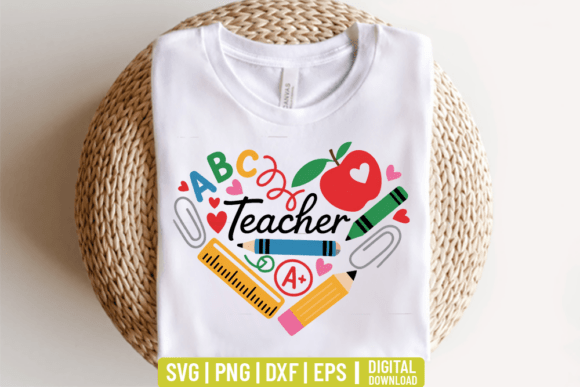
From Digital File to Stitched Sentiment: A Designer's Review
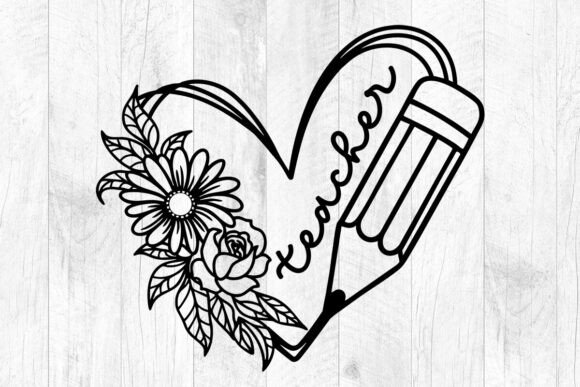
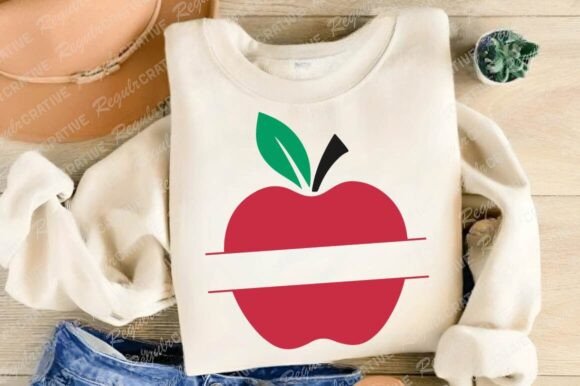
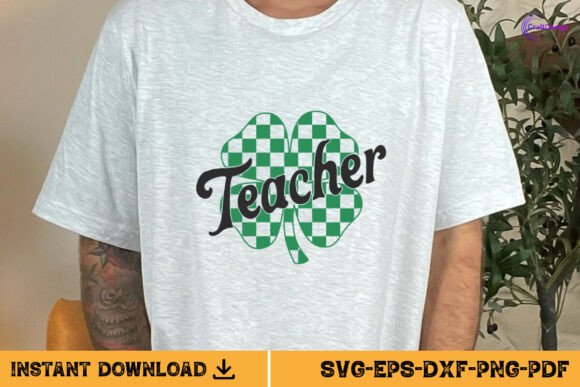
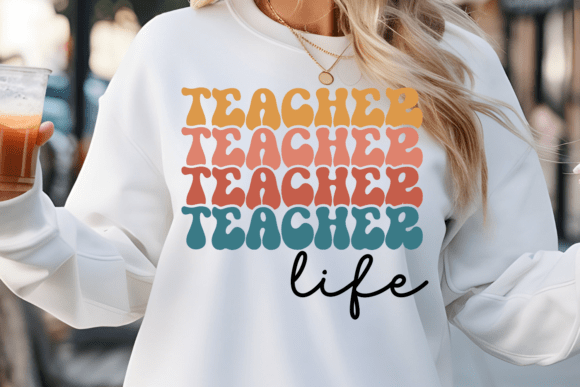
When a design file lands in my project folder, my first thought is always about its journey from screen to thread. I’m looking at this Teacher SVG Png Cut File not as a collection of vectors, but as a potential embroidered sentiment. The immediate impression is one of clear, classic appreciation. It’s not overly ornate or trendy; it feels sincere and versatile, which is exactly the personality you want for a theme that celebrates dedication and care.
The Versatility You Need for Real Projects
Let’s talk about application. I’m imagining a scenario: a client requests a custom gift for a retiring educator—an embroidered tote bag she’ll actually use. This design’s structure suggests it would translate beautifully. The likely layout, with its balanced elements, means it won’t feel overwhelming on a bag’s broad side panel, nor too insignificant on a sweatshirt’s chest. It has that adaptable scale that works for a baby’s blanket corner as a sweet “Thank You” from a family, or as a crisp, professional accent on an apron for a teacher’s lounge.
The promise of 100 vector shapes resizable is crucial here. For embroidery, scaling isn’t just about making it bigger or smaller; it’s about preserving stitch integrity. When I resize a design for a cap’s curved surface versus a pillow’s flat canvas, I need the details to hold up. A truly robust vector file allows that, preventing tiny lettering from blurring into a thick mess or delicate lines from becoming lost gaps in the satin stitch.
Where This Design Finds Its Best Home
My practical judgment is that this design naturally belongs on gifts and merchandise with a personal touch. Think holiday gifts for classroom helpers, personalized thank-you pillow covers, or boutique-style tea towels for a teacher’s home. For small business owners and Etsy sellers, it’s a solid asset for creating a line of “educator appreciation” products—the handmade presentation feels authentic and emotionally resonant, which builds customer trust and engagement. It’s not a flashy, seasonal graphic; it’s a timeless, giftable staple.
Navigating the Stitching Reality
Performance on actual fabric is where a design proves its value. The inclusion of multiple file types like SVG and DXF is a good sign for machine embroidery workflows, suggesting easier import and manipulation. However, the real test is in the hoop. For a design like this, I’d be considering stitch density, especially if it includes areas of fill stitch. On thin fabrics like standard t-shirts, a very dense design can cause puckering; on textured fabrics like sweaters, fine details might get lost.
This is where your prep work is key. I always advise:
- Test the embroidery file on a scrap of your intended fabric first—the same weight and texture.
- Check thread color contrast against your background. A design that is 100 color changeable offers fantastic flexibility, but you need to choose palettes that pop on dark fabrics or remain elegant on light ones.
- Review the stitch path for any overly intricate corners or junctions that might need a slight manual adjustment in your software.
- Use the proper stabilizer for the project—no single stabilizer works for every scenario.
Caution Areas for a Smooth Finish
Some applications require extra thought. If you’re planning to embroider this onto a child’s garment or something that will need frequent washing, you’ll want to ensure the design isn’t so detailed that it becomes fragile after several washes. Embroidering on curved surfaces like caps demands a simplified, robust version of the design—scaling it down too much here could compromise clarity.
Also, consider the final product’s use. An embroidered patch using this design would be lovely, but ensure the stitch areas aren’t so dense that the patch becomes stiff and uncomfortable. For kitchen towels or aprons, the design should avoid overly delicate decorative accents that might snag.
Building Professional Value with a Single File
From a business perspective, this Teacher SVG Png Cut File affects more than just a single project. For apparel decorators and creative entrepreneurs, it’s a design asset that can serve multiple clients and product lines. Its professional, clean aesthetic helps maintain brand consistency if you specialize in heartfelt, custom apparel. For digital product sellers, the provided PNG file is ready for creating printable mockups for your store, showing customers exactly how the finished embroidery could look, which significantly boosts buyer confidence.
The visual appeal when stitched is about clarity and sentiment. A well-embroidered version of this design speaks of quality—the stitches are clean, the message is legible and warm. That directly increases the perceived value of your handmade product or commercial embroidery project. It turns a simple graphic into a tactile, cherished item.
Essential Designer Notes Before You Hoop
Before you commit this design to a final project, run through these final checks:
- Test the design in both black and white digital mockups to see how it holds its form without color.
- Compare how it looks on light and dark fabric backgrounds in your editing software—sometimes a slight outline adjustment is needed.
- Confirm your hoop size can accommodate the design at your desired scale without forcing excessive rescaling.
- Most importantly, confirm the licensing terms. The product description notes useful features, but always verify the specific license before selling finished items or using the file in commercial embroidery projects for clients. This protects your business and respects the creator.
Approaching this Teacher SVG Png Cut File with a designer’s eye for the finished product, I see a reliable, versatile starting point for meaningful work. It’s a graphic that understands its ultimate purpose: to be transformed from a digital craft file into a stitched, real-world token of appreciation, carrying its simple, sincere mood perfectly through the needle.