An Embroidered Gift for an Exceptional Educator
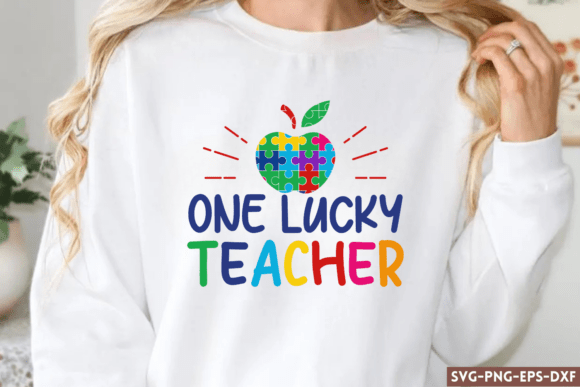
As a designer who regularly transforms digital files into physical, stitched products, I look at every new SVG with a practical eye. My first question is always: will this design translate beautifully into thread? When I saw One Lucky Teacher SVG, Autism SVG, my immediate thought was of a custom embroidered tote bag. It's the kind of heartfelt, personalized gift a parent might want to create for a teacher who has made a profound difference in their child's life. The design isn't just graphics; it's a message waiting to be stitched.
The Mood Stitched in Thread
The sentiment here is clear and warm. The combination of the "One Lucky Teacher" phrase with the supportive Autism awareness elements creates a design that feels appreciative and inclusive. From an embroidery perspective, the layout likely balances text with symbolic graphics, which is a good foundation. This isn't a overly busy or cluttered composition—it suggests a design that can be stitched with clarity, where the message remains the focal point. The visual personality leans towards meaningful giftware, not casual decor. It naturally belongs on items meant to carry a special message: keepsake pillows, teacher appreciation aprons, or a beautifully embroidered sweatshirt for a classroom educator.
Where This Design Finds Its Perfect Project
In real-life embroidery, this SVG has a clear niche. Think of custom apparel for teachers themselves, or personalized gifts from families. A sturdy cotton tote bag, embroidered with this design, becomes a daily-use item with deep meaning. On a high-quality sweatshirt, it transforms into a wearable statement of support and gratitude. For small business merchandise or an Etsy listing from a crafter focused on educator or special needs awareness products, this design could be a core part of their collection. It also fits perfectly on embroidered patches, which could be applied to jackets or backpacks, or on home decor like pillow covers for a teacher's lounge.
The appeal extends to baby clothes or nursery decor if the item is a gift for a specialist therapist, or to kitchen towels and aprons as a heartfelt holiday gift. In a commercial embroidery context, a shop specializing in school-related products could use this on caps or blankets for fundraiser items. The key is pairing the design with a product that matches its sincere tone.
Practical Considerations Before You Hoop It
While the sentiment is strong, the execution matters. This is where an embroidery designer's experience turns a digital file into a successful finished product.
First, always test the design on scrap fabric first. Use the same material you intend for the final project. This is crucial to check stitch density and how small details, like potentially tiny lettering or intricate graphic elements, translate. Does the text remain legible after stitching? On textured fabrics like some sweatshirt materials, fine details can get lost. On thin or stretchy fabric, you'll need the right stabilizer to prevent puckering.
Pay close attention to thread color contrast. This design likely relies on clear visual separation between elements. Test it in both light and dark fabric backgrounds. On dark fabric, you may need to adjust color choices to ensure the message pops. For areas with dense stitch fills, consider whether the fabric can support it without becoming stiff, especially for apparel.
Navigating the Tricky Spots
Some applications require extra care. Embroidering this onto a curved surface like a cap demands checking how the layout adapts to the shape—will it distort? For products that need frequent washing, such as t-shirts or baby blankets, a very dense embroidery area might not wear as well as a lighter, more open stitch pattern. I'd advise reviewing the design's complexity before committing it to small hoop sizes. If there are many detailed corners or decorative accents, a larger hoop size might be necessary to preserve clarity.
Also, from a professional standpoint, check whether the design works for both personal and commercial projects. Before selling finished items like embroidered patches or custom apparel in your small shop, confirm the licensing terms of the original SVG file. This protects your craft business and builds customer trust.
The Stitched Result: Value and Perception
When this design is embroidered well, it elevates the product. The handmade presentation adds a layer of care and effort that a printed item doesn't carry. For a customer receiving this as a gift, an embroidered tote or pillow feels more permanent and valued. For an Etsy seller, a clean, precise embroidery of this meaningful design enhances brand consistency if you specialize in supportive, awareness-themed products. It signals professionalism in your craft.
The design's specificity—linking teacher appreciation with Autism awareness—creates high recognition and buyer engagement for a targeted audience. It’s not a generic graphic. In your digital product previews or printable mockups, showing it as an embroidery design, rather than just a flat graphic, can better communicate its final application and appeal.
Final Designer Notes Before You Stitch
My process would be to import the SVG, examine it in my software to anticipate any stitching challenges like very thin lines or overlapping elements, and then run a test. I’d consider which stitch types might be best—perhaps satin stitch for bold text and fill stitch for larger graphic areas. I’d ensure my thread colors are chosen not just from the digital image, but with the final fabric texture in mind. A crisp white on a navy blue tote bag, for instance, could make this design strikingly beautiful.
Remember, the success of an embroidery file like One Lucky Teacher SVG, Autism SVG in your project hinges on this practical forethought. It’s a design with genuine emotional resonance, which makes it a wonderful candidate for embroidery. By handling the technical execution with care, you ensure that resonance is perfectly captured in every stitch, creating a finished product that truly honors its message.