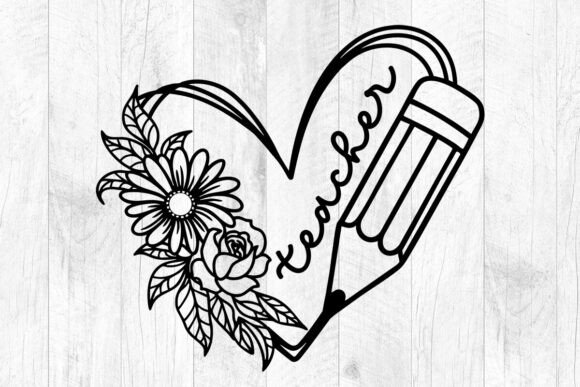
A Designer’s Take on “I’m the Cool Teacher” Embroidery
When a new embroidery design file lands in my library, I’m not just looking at it as a graphic. I’m looking at it as a future stitch pattern on a real product, for a real client or customer. Today, I’m evaluating “I m the Cool Teacher Svg Teacher Svg” from that practical standpoint. This is about how it translates from a digital graphic into a tangible, sellable, or giftable embroidered item.
The Personality and Project Fit
First impression? It’s playful and confident. The phrase “I’m the Cool Teacher” carries a specific, lighthearted mood. It’s not overly formal or sentimental; it’s fun and self-aware. For an embroidery designer, that tells me immediately the kind of projects it belongs to. This isn’t a design for a corporate logo or a solemn commemorative piece. It’s perfect for personalized gifts, casual apparel, and items meant to celebrate a personality.
The layout and likely lettering style suggest a straightforward, readable statement. That visual personality feels ideal for custom apparel like sweatshirts and t-shirts, or everyday items like tote bags and aprons. Imagine a teacher receiving a custom embroidered tote bag with this phrase for the start of the school year—it’s personal, appreciated, and usable. That’s the sweet spot for this embroidery file.
Where This Design Thrives in Embroidery
In real-life embroidery, “I m the Cool Teacher Svg Teacher Svg” performs best on products where its personality shines. I’d naturally consider it for:
- Custom apparel: A well-embroidered sweatshirt or a durable t-shirt becomes a favorite item.
- Practical gifts: Embroidered pillow covers, kitchen towels, or aprons for a teacher’s home.
- Small business merchandise: For an Etsy seller or boutique focusing on educator gifts, this adds a niche product line.
- Personalized baby items: If the “cool teacher” is also a new parent, a blanket or bib could be a unique twist.
- Embroidered patches: A standalone patch allows for versatility—it can be applied to a backpack, cap, or denim jacket.
The key here is matching the design’s vibe to the product’s purpose. It elevates a simple item by adding that human, personalized touch.
Navigating the Stitching Practicalities
Moving from concept to hoop, there are always considerations. For a design like this, based on its description as a graphics file for crafts, I’d be thinking through a few real scenarios before stitching.
One of my first tests is always a scrap fabric run. I’d check how the lettering and any accompanying shapes translate into stitches. Is the satin stitch or fill stitch density appropriate for the fabric I plan to use? For “I m the Cool Teacher Svg Teacher Svg,” I’d pay close attention to small details and corners in the lettering. Clean, crisp stitching here is crucial for readability and professional look.
Careful Application Areas
This design should be used carefully on:
- Very small hoop sizes: If the design area is condensed, small lettering might become too dense or lose clarity.
- Highly textured or stretchy fabrics: Without proper stabilizer, the stitches could distort, especially on a cap’s curved surface or a thin t-shirt.
- Dark fabric backgrounds: Thread color contrast is vital. A bright, contrasting thread palette would be necessary to make the statement pop.
- Items needing frequent washing: On things like kitchen towels or baby clothes, a robust stitch structure and secure finishing become important for longevity.
The advice here is universal: test it in black and white mockups, compare how it looks on light and dark backgrounds digitally, and always use the correct stabilizer for your chosen fabric and product.
The Impact on Your Craft and Business
Using a well-executed embroidery file like this affects more than just the stitch quality. It impacts visual appeal, customer trust, and ultimately, the value of your finished product.
When I stitch “I m the Cool Teacher Svg Teacher Svg” onto a tote bag for a client project, the clarity of the embroidery directly influences the handmade presentation. A clean result looks professional, which builds trust. For a small shop owner or Etsy seller, that professionalism translates into brand consistency and better buyer engagement. Customers recognize a quality-made item.
Furthermore, the “giftability” of such an item increases. A beautifully embroidered pillow or sweatshirt feels considered and special. For creative entrepreneurs, this means the design isn’t just a graphic; it’s a commercial embroidery asset that helps create products people want to buy and give.
Essential Designer Notes Before You Stitch
Before you run this machine embroidery design on your final product, make these practical checks:
- Always confirm the specific licensing terms for “I m the Cool Teacher Svg Teacher Svg” for both personal and commercial projects. This is critical before selling finished items.
- Test the embroidery file on your intended fabric type with your chosen stabilizer. See how the stitch density behaves.
- Plan your thread colors carefully, considering the final product’s background color.
- Inspect the design in your software for any tiny details that might need adjustment for your specific hoop size.
- Consider the end-use. Will it be a decorative pillow cover or a heavily used apron? That guides your stitch choices and finishing.
Remember, the product description places it in the crafts and graphics category, perfect for DIY projects or a handmade business product line. That’s a broad, versatile starting point. Your job as the embroiderer is to narrow that down to the perfect, real-world application.
In the end, “I m the Cool Teacher Svg Teacher Svg” is more than a digital product. When thoughtfully applied, it becomes a charming, personality-filled stitch on a real object. It’s that translation—from graphic to crafted item—that turns a file into a valued handmade product, a memorable personalized gift, or a successful small shop merchandise piece. Choose your project wisely, stitch with care, and let the design’s playful confidence shine through the threads.