A Designer's Review of the Christmas Pencil Tree SVG for Embroidery
When a new design lands in my library, my first instinct isn't to admire it on screen. I immediately picture it stitched out. I imagine the thread colors, the texture of the fabric, and the final product in a customer's hands. This Christmas Pencil Tree Teacher SVG arrived with that same practical curiosity. The name alone paints a picture: a festive, profession-specific motif ready for the hoop.
First Impression: A Charming, Niche-Friendly Design
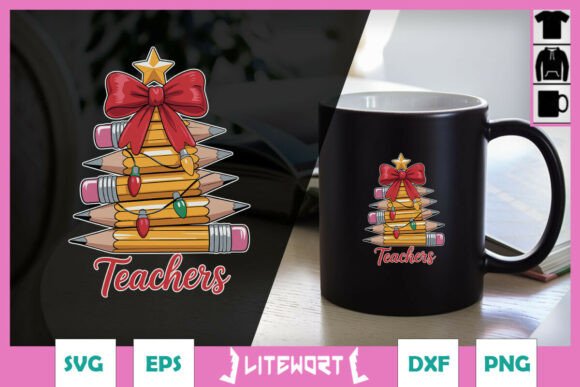
The concept is immediately clear and quite clever. It merges the universal holiday symbol—the Christmas tree—with a tool synonymous with education. The mood it creates is warm, appreciative, and slightly nostalgic. It feels personal. For an embroidery project, this isn't a generic snowflake; it’s a design with a built-in story. The layout, typically with the tree formed from pencils, suggests a balanced, central motif perfect for an applique design or a clean fill stitch composition. The detail level is thoughtful—it conveys the idea without being overly intricate, which is a relief for stitching on smaller items or faster production runs.
Where This Design Shines in Real Projects
Let’s talk real-life embroidery situations. I pictured this on a custom tote bag for a teacher’s holiday gift. The size, as noted, comes pre-sized for cups, which translates wonderfully to mid-scale items: tote bags, the front of a sweatshirt, a pillow cover, or a kitchen towel. It’s a prime candidate for a personalized gift. The high-resolution PNG with a transparent background is invaluable for creating printable mockups for an Etsy listing or a craft fair preview, helping customers visualize the finished product.
For a small business owner focusing on teacher appreciation or school-themed merchandise, this design is a ready-made asset. It could become a staple for embroidered patches on denim jackets, a sweet addition to a baby’s onesie if the parents are educators, or a branded element on aprons for a boutique. As a digital embroidery file, its versatility is its strength. It fits seamlessly into commercial embroidery projects for a school staff gift drive or as a stock item for an apparel decorator during the holiday rush.
Handling the Stitch: Practical Application Notes
In execution, the design’s clarity will depend on your stitch choices. Areas representing the pencils might work beautifully with a satin stitch for a smooth, glossy look, while the tree itself could be a fill stitch for a fuller, textured effect. However, this brings me to the crucial considerations for any embroidery designer before loading the file.
- Test on Scrap First: Always run a test on scrap fabric identical to your final product. This reveals the true stitch density and how the design handles transitions.
- Inspect Small Details: Pay close attention to any tiny elements, like the pencil tips or tree star. Ensure your hoop size and stabilizer choice can render them clearly.
- Thread Contrast is Key: The visual appeal hinges on thread color contrast. I’d test it in both light and dark fabric backgrounds. On a dark sweatshirt, you might need a brighter, bolder palette to maintain stitching clarity.
- Consider the Fabric Texture: On a textured fabric like a knit cap or a towel, simpler designs often perform better. Evaluate if the detail level will remain distinct.
Scenarios That Demand Extra Care
While versatile, some applications require a more thoughtful approach. Stitching this onto a curved surface like a cap demands careful digitizing attention to distortion. Using it on thin or stretchy fabric, like a lightweight t-shirt, will need the right stabilizer to prevent puckering. If the design includes very dense stitch areas, be mindful of the fabric’s drape and comfort, especially for apparel.
Products destined for frequent washing, like baby clothes or kitchen towels, need a robust stitch structure. Check that the design isn’t so delicate that washes will compromise tiny lettering or decorative accents. For layered garments or dark fabrics, the choice of underlay and thread becomes paramount to maintain that handmade presentation and professionalism.
The Impact on Your Business and Customer
From a commercial perspective, using a well-conceived design like this affects more than just the stitch. It boosts product value because it feels considered and niche-specific. It builds customer trust—a teacher receiving an embroidered tote with this design sees a gift made for them, not a generic holiday item. For an Etsy seller or small shop owner, it enhances brand consistency if you focus on educator or craft-themed products.
The giftability is high. It’s recognizable and heartfelt. For buyer engagement, a clean embroidered result on a mockup can significantly improve an online listing. It speaks directly to a community—crafters, parents, students looking for a teacher gift—creating a stronger connection than a broad-market design.
Final Designer Advice Before You Hoop It
My final notes are always practical. Confirm the licensing terms for this graphic before selling finished items or incorporating it into digital products for resale. The included file formats—SVG, PNG, DXF—offer flexibility, but for machine embroidery, ensure your software imports them cleanly and allows you to adjust stitch types as needed.
- Don’t assume compatibility; do a quick import check.
- Use the PNG to create previews for your customers or craft business marketing.
- Compare how the design looks in both a simple running stitch outline and a filled version to match your product’s style.
- Remember, the best embroidery project marries a great design with appropriate technique. This Christmas Pencil Tree Teacher SVG provides a strong, charming foundation. Your skill in pairing it with the right fabric, thread, and stabilizer will bring it to life.
Approach it not just as a graphic, but as the blueprint for a tangible, stitched product that carries meaning. That’s where the real value for any maker—the hobbyist or the creative entrepreneur—lies.