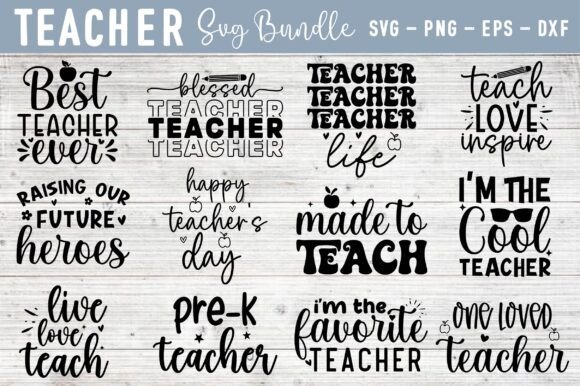
A Designer's Real-World Review of the Teacher Vibes SVG
When I first opened the Teacher Vibes SVG, Teacher SVG 2 file, I wasn't just looking at shapes on a screen. I was picturing it stitched out, on a fabric, in a customer’s hands. My mind immediately went to a real scenario: preparing a custom embroidered canvas tote bag as a heartfelt end-of-year gift from a classroom. This is the lens I always use. How does a design translate from digital asset to finished, tangible product? Let’s walk through that practical judgment.
The First Impression: More Than Just a Cute Graphic
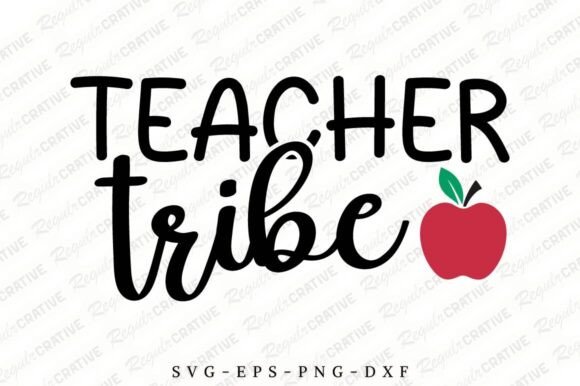
The layout and details here create a specific, warm mood. It’s playful and appreciative without being overly childish or cliché. The visual personality leans toward modern and clean, which I appreciate. This isn’t a design that shouts; it whispers a friendly “thank you” or “celebrate.” That subtlety is powerful for embroidery, where texture adds a layer of softness. It naturally belongs on projects meant to feel personal and handmade, not mass-produced.
I envisioned it on a soft, unbleached cotton tote bag immediately. The composition suggests it would sit nicely as a central motif, not too sprawling, leaving room for other elements like a name or date if needed. The level of detail looks manageable—not so intricate that it becomes a stitching nightmare on common fabrics, but with enough character to be interesting when rendered in thread.
Where This Design Excels in Real Projects
Let’s talk performance. This Teacher Vibes SVG, Teacher SVG 2 would be a strong candidate for a range of real-life embroidery situations.
For custom apparel and gifts: Think embroidered sweatshirts for teacher appreciation week, crisp aprons for a classroom volunteer, or a cozy blanket for a retiring educator. The theme is universally understood, which boosts its giftability. On a baby onesie for a teacher’s new child? Absolutely—it becomes a personalized heirloom.
For small business merchandise: If you run an Etsy shop or sell at craft fairs, this design translates well into products with high perceived value. An embroidered patch featuring this design could be applied to caps or bags. A neatly stitched version on a high-quality tea towel or pillow cover feels boutique, not generic. For digital product sellers offering printable mockups, the clean lines make it a versatile design asset for compelling previews.
For commercial embroidery and branding: A small school or tutoring business could use this on staff uniforms or promotional tote bags. The professionalism of a well-executed embroidery file can enhance customer trust and brand consistency. It’s approachable yet polished.
Considerations for Stitching Success
Every design has its sweet spot and its caution zones. Here’s my practical thinking on where to use this carefully.
Scale and hoop size: While the details look manageable, I would advise testing on scrap fabric first, especially if planning a very small version. Tiny lettering or very dense stitch areas might lose clarity on a small hoop. This design likely benefits from a medium hoop size where its personality can shine.
Fabric choice is key: On highly textured fabrics like some sweaters, or on stretchy fabrics without proper stabilizer, the clean shapes could distort. Dark fabric backgrounds require careful thread color contrast planning—you might need to adjust palettes for optimal recognition. On curved surfaces like caps, the layout’s balance would need checking in the software to ensure it sits correctly.
Product durability: For items that need frequent washing, like kitchen towels or baby clothes, consider using a robust fill stitch for main elements and ensure your stitch density is appropriate so the design holds up over time. This affects handmade presentation and longevity.
Practical Notes from the Embroidery Machine
My workflow for a design like this always includes:
- Testing on scrap: Always. It reveals everything about stitch density and thread behavior.
- Checking color contrast: Run mockups in both black and white backgrounds to see how it reads.
- Inspecting small details: Zoom in on those decorative accents in your software—will they stitch as clean lines or become blobs?
- Confirming licensing: Before selling any finished product or using it in commercial embroidery projects, verify the license terms provided with the file. This is non-negotiable for professional use.
- Using proper stabilizer: Especially for lighter or thinner fabrics, this ensures the final product looks crisp.
The Impact on Your Craft and Customer
Why does this evaluation matter? Because the right embroidery file directly affects your results.
Using a well-composed design like Teacher Vibes SVG, Teacher SVG 2 enhances stitching clarity, which in turn boosts the product’s value. A clean, readable embroidered piece feels more professional, increasing buyer engagement. For a personalized gift, that handmade presentation is everything—it feels thoughtful and specific.
For craft businesses and Etsy sellers, consistency in output builds customer trust. If this design stitches out reliably and looks great across different products—from tote bags to pillow covers—it becomes a reliable asset in your catalog. It supports brand consistency.
In the end, my review boils down to this: This design has a visual mood that fits a real-world need. It’s not just a graphic; it’s a potential beautiful, textured expression of appreciation on fabric. Approach it with a professional’s precautions—test, plan, verify—and it can become a standout element in your next embroidery project, whether for a single heartfelt gift or for your small shop’s best-selling merchandise.