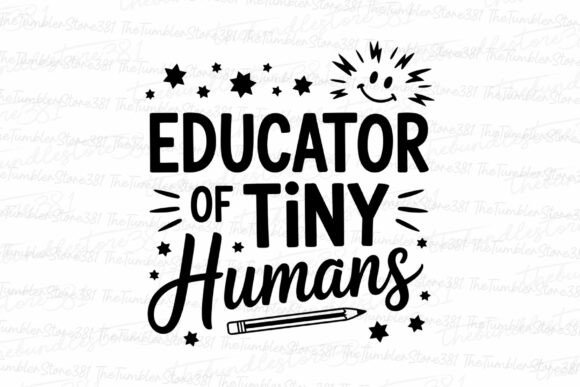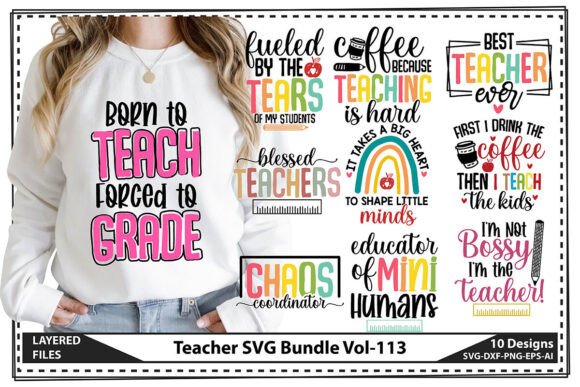
A Designer's Look at The Tiny Humans Teacher SVG
When I first open a new embroidery design, my mind immediately starts placing it onto real fabrics and into real projects. It’s not just about the graphic on screen; it’s about the stitch, the texture, and the final product. So when I look at The Tiny Humans Teacher SVG, I’m thinking about how it will translate from a digital file to a tangible, sellable, or giftable item.
The Immediate Charm & Practical Appeal
The design has a clear, playful charm. The theme is straightforward and warm, evoking a sense of care and education. For anyone in the craft business, this is a valuable starting point. It’s not overly complex, which is often a benefit for machine embroidery. The layout suggests it would work well as a central motif on something like a custom apparel item or a personalized gift. My first thought was a simple, high-quality cotton tote bag. It’s the kind of item a teacher would use daily, and the design’s friendly personality would make it a appreciated gift.
The detail level looks manageable. I don’t see any overly tiny elements that would become a blur of thread on fabric. This is crucial for maintaining stitching clarity and ensuring the finished product looks professional, not messy. For a small business owner creating embroidered patches or baby embroidery on a blanket, that clarity builds customer trust. A clean, readable design makes your handmade product look intentional and skilled.
Where This Design Naturally Belongs
In my experience, a design like this finds its home on items meant for presentation and light use. Think holiday gifts, nursery decor, or boutique branding for a small shop. I recently imagined a scenario: a client requests a set of embroidered pillow covers as a wedding gift for a teacher couple. This SVG would be a perfect, heartfelt choice. The visual personality is sweet without being childish, making it suitable for adults as well.
For Etsy sellers and apparel decorators, the applications are broad. You could easily place it on the chest of a classic sweatshirt for a cozy, personal touch. On a baby’s romper, it becomes a cute announcement for a teacher’s new little one. As a tote bag design, it’s both functional and sentimentally marketable. The key is matching the design’s mood to the product’s purpose. This design speaks to appreciation, celebration, and profession, so products that carry those feelings—like gifts, commemorative items, or casual wear—are its natural fit.
Performance on Real Fabrics & Surfaces
Now, let’s talk about the stitch. A clean SVG file is a great start, but the real test is the embroidery project. On standard cotton or a good quality sweatshirt embroidery fleece, I expect this design to perform well. The shapes appear open enough to allow for clean satin stitch borders or a smooth fill stitch without creating excessive stitch density. High density on lighter fabrics can cause puckering, so a design that avoids that is a plus.
However, there are always considerations. On dark fabric, you’ll need to think about thread color contrast. A white or bright top thread will pop, but you must use proper stabilizer to keep the stitches flat. On textured fabrics like some linens, or on stretchy fabric, the smaller details might need extra stabilization to prevent distortion. And for products like caps with curved surfaces, the design’s overall scale is important. You’d want to test it in a smaller hoop size to ensure it fits the area without compromising the integrity of the lettering or shapes.
Where to Exercise Caution
Every designer knows that some projects require extra foresight. With this Teacher SVG, I’d be cautious on items with tiny lettering if the design includes any. If the text is very small, it might not stitch cleanly on rough-weave fabrics or on items that undergo frequent washing, like kitchen towels or aprons. The thread can wear or fray on fine details.
Also, for layered garments like hoodies with pockets or seams, placement is key. You want the design in a flat, uninterrupted area. I’d advise against putting it directly over a thick seam or a zipper. The embroidered patch application could be a smart alternative here; stitch it separately onto stabilizer-backed fabric and then apply it to the tricky surface.
The visual appeal of your final product hinges on these practical choices. A design stitched cleanly on the right fabric elevates the product value. It looks like a premium handmade product, not a rushed job. This directly impacts your brand consistency as a creative entrepreneur. Customers remember quality.
The Designer's Practical Checklist
Before I’d ever load this into my machine for a client or my own small shop product, I run through a mental list. It’s saved me from many a mishap.
- Always test on scrap fabric first. Use the same material you intend for the final product. This reveals how the embroidery file truly behaves.
- Check it in black and white. View the design as a simple outline. Does it hold its shape? Are there any potential weak spots in the composition?
- Compare light and dark backgrounds. If you plan to offer the design on various fabrics, stitch a sample on a dark scrap and a light scrap. This shows you exactly what thread colors you’ll need for each.
- Inspect the small details. Zoom in on the digital file. Are there any corners or closed areas that might fill with too many stitches and create bulk?
- Confirm the licensing. This is critical for commercial embroidery and digital product sellers. Before selling finished items or including this in a digital embroidery file bundle, verify the license terms for the SVG. The product description mentions DIY projects and handmade business lines, but the specifics matter.
- Think beyond the stitch. How will this look in a printable mockup for your Etsy listing? Does it present well as a design asset in your portfolio? A good design works in both the physical and digital realms.
For a design like The Tiny Humans Teacher SVG, its success lies in its application. It’s a lovely graphic, but its real value is unlocked by the maker who pairs it with the right fabric, the right thread, and the right product intention. Whether you’re making a one-off holiday embroidery gift or building a line of craft business merchandise, that thoughtful pairing is what turns a digital file into a beloved finished product. It’s what makes a customer not just buy, but cherish what you’ve made.