A Designer's Honest Review of Hiphop Old School SVG PNG
When you download a digital embroidery file, the excitement is real—you're imagining that perfect stitched-out project. But as a designer who’s worked on countless client orders and handmade products, I know that first impression on the screen isn't the final story. You need to judge how a design will translate into thread and fabric. That’s exactly what I’m doing here with Hiphop Old School SVG PNG. Let’s walk through how this file holds up for real projects.
The Immediate Mood: Nostalgia with a Clean Edge
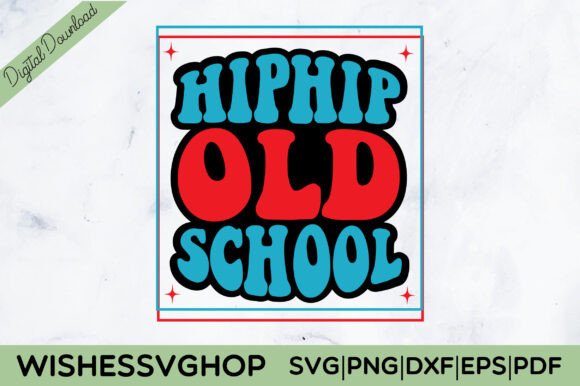
Right off the bat, this design screams a specific era. The ‘old school’ vibe is unmistakable, which is fantastic for targeting a niche. It feels bold, a bit playful, and carries a sense of nostalgia. The layout is typically straightforward—it’s built for recognition. As a graphics file, the clean vector lines suggest it will convert well into embroidery paths, assuming the digitizing is done well. The personality is confident and retro, which makes it a prime candidate for gifts or merchandise aimed at a certain crowd, from birthday presents for music lovers to branded items for a boutique with a hip-hop theme.
Where This Design Thrives in Real-Life Embroidery
I’m picturing this on a heavyweight cotton sweatshirt or a canvas tote bag. The bold, thematic statement would look excellent there. For a small business, say an Etsy seller focusing on custom apparel, this could be a strong base for a series—think matching hats and patches. It’s also a natural fit for personalized gifts, like embroidered pillow covers for a music fan’s den or an apron for someone who loves that era. The graphic nature means it could work well as a simplified applique design, using satin stitch borders for a clean, durable finish on items like baby blankets (though you’d want to soften the theme for a nursery, maybe). For commercial embroidery projects, like a run of caps for a local event, the recognizability adds value.
Thinking Through a Specific Project: The Custom Embroidered Tote
Let’s get practical. Imagine you’re prepping a custom embroidered tote bag as a holiday gift. You choose this Hiphop Old School design. The first thing I’d consider is scale. On a large tote panel, the design can be sizable, allowing details to shine. But you must check the stitch density in the digitized file—too dense on a bag that gets heavy use can lead to stiffness or premature wear. The clean lines should help, but always test on scrap fabric first, using the same stabilizer you plan for the final product. Thread color contrast is key here; on a dark fabric, you’ll need bright, contrasting threads for the design to pop and maintain that old-school energy.
Caution Zones: Where to Use This Design Carefully
Not every project is a perfect match. This design’s success depends heavily on its final digitized details. If the original SVG has tiny lettering or intricate corners, those areas could become problematic in embroidery. I’d avoid very small hoop sizes—forcing it onto a baby bib’s small space might lose clarity. Textured or stretchy fabrics, like certain knit sweatshirts, require extra stabilizer and possibly a reduction in detail to prevent distortion. Similarly, curved surfaces like caps need a digitizing approach that accounts for the curve; if the file isn’t optimized for that, you might get puckering. For products needing frequent washing, like kitchen towels, a simpler stitch execution (maybe a running stitch outline instead of dense fill) would be more durable.
How This File Impacts Your Project's Success
Beyond the stitch, this design affects your outcome. A well-embroidered old-school graphic on a sweatshirt elevates its perceived value—it feels custom, not generic. For customer trust and brand consistency, if you’re a maker using this across a line of products, the consistent theme builds recognition. The giftability is high for the right recipient. Professionally, a clean stitch outcome with good thread coverage shows your skill. But the reverse is also true: if the embroidery file has issues like poor stitch paths leading to jumps or fills, the final product can look amateur, hurting buyer engagement. It’s all about execution.
Essential Designer Notes Before You Hoop Anything
Here’s my real-world checklist before committing this design to a client project or my own shop merchandise:
- Test, Always Test: Run it on scrap fabric identical to your final project fabric. This reveals everything: stitch density issues, thread tension needs, and small detail clarity.
- Background Contrast: View it in black and white mockups. How does it read on both light and dark backgrounds? You might need different thread palettes.
- Inspect the Details: Zoom in deep on the provided SVG in your software. Are there any hairline details or corners that might not translate to a clean stitch?
- Confirm Licensing: This is critical. The product description states it's an instant download file for crafts and graphics. You must confirm the specific license terms before selling finished items or using it in commercial embroidery projects. Does it allow for commercial use of the physical product? For digital product resale? Never assume.
- Stabilizer Strategy: Match your stabilizer to the fabric and the design’s potential density. A tote bag might need a firm cutaway, while a t-shirt might require a lightweight tearaway.
- Hoop Size Logic: Choose a hoop that gives the design room without forcing excessive scaling. Distorting the design to fit a too-small hoop kills its visual personality.
The Final Verdict: A Strong Graphic with Practical Promise
Hiphop Old School SVG PNG, from a designer’s perspective, is a graphic with clear commercial and gift appeal. Its mood is targeted and strong. For embroidery, its potential is high, but it is entirely dependent on the quality of the underlying embroidery file conversion and your own preparatory work. It belongs on sturdy, showcase items where its theme can be celebrated—think sweatshirts, totes, patches, and caps. Approach it with a professional’s caution: test thoroughly, verify licensing, and respect the limits of fabric and scale. When done right, it can create a finished product that feels handmade, professional, and perfectly nostalgic, exactly what your customers or gift recipients are looking for.